Water services and the business enabling environment
Water services and the business enabling environment are deeply interconnected. In this article, I explain how reliable, climate‑resilient water systems shape private sector development, jobs, investment and the overall business‑enabling environment.
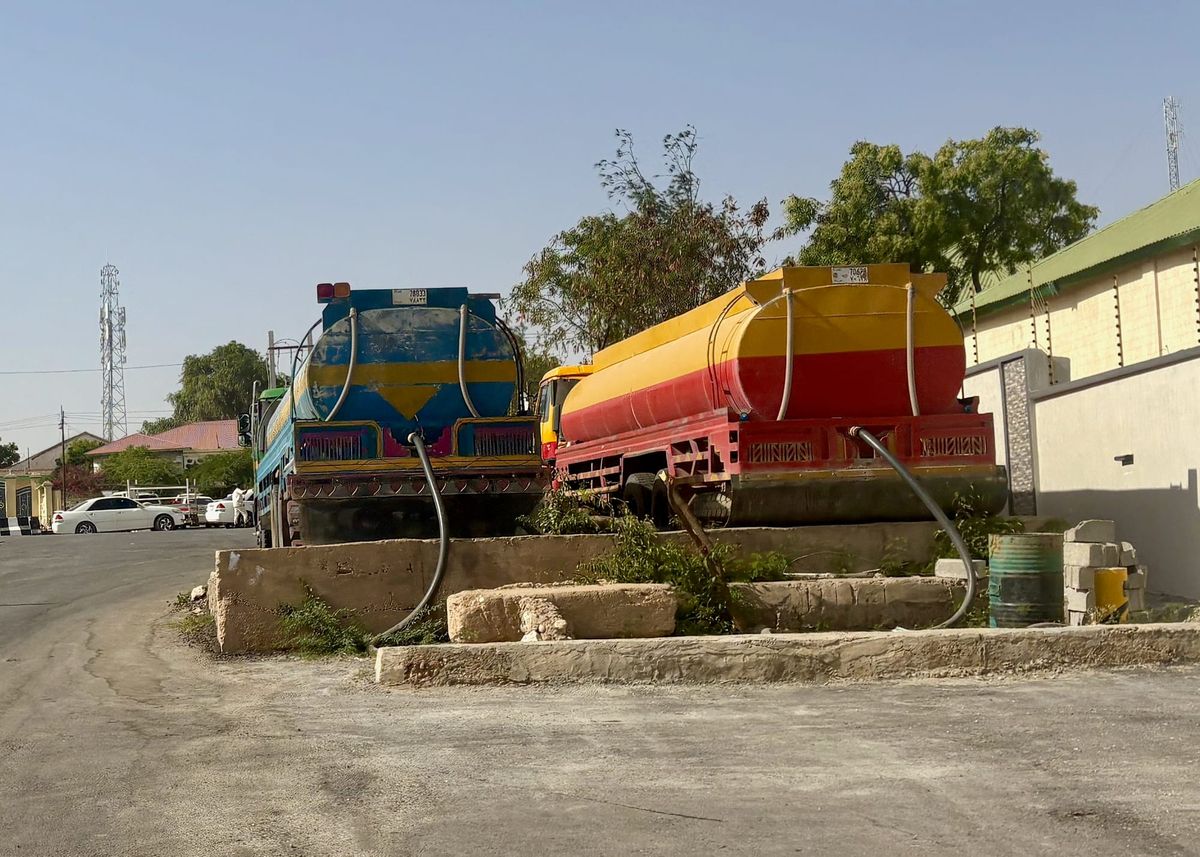
Water services and the business enabling environment: why they belong together
Over the last couple of years, I have led evaluations of major water and WASH initiatives supported by European partners and implemented in Africa and other regions. Those assignments have convinced me that water services and the business enabling environment are far more closely linked than most policy debates suggest. We cannot credibly talk about private sector development, jobs and investment if we treat water purely as a social-sector issue, separate from conversations about competitiveness and growth.
Water services and the business enabling environment
When I look at water services and the business enabling environment together, I see water as core economic infrastructure rather than just a basic social service and a critical part of how attractive a place is for investment. Reliable, affordable and climate‑resilient water systems underpin health, productivity, urban development and industrial growth. When those systems fail, businesses shut down, agricultural value chains stall, and cities become less investable.
Recent global discussions around “water and jobs” have made this point more explicit. Water underpins employment across agriculture, industry and services, and water shocks can wipe out years of development gains. For me, this means that investment climate reforms and business‑environment diagnostics should treat water alongside transport, energy and digital infrastructure, not as an afterthought.
In my own practice, this pushes me to connect my work on private sector development more deliberately with the water and WASH agendas. It is no longer enough to ask whether firms face red tape and constraints on access to finance; we also need to ask whether they can count on water.
The role of the private sector in water services
The role of the private sector in water services is changing in both Europe, Australia and partner countries. I’ve seen how in Denmark and the Netherlands, the water sector is built on a dense ecosystem of public utilities, private firms, research institutions and regulators that collaborate around shared goals. The private sector does not just build infrastructure; it brings innovation, digital tools, asset management skills and new financing models.
In African countries, private involvement in water and sanitation is often fragmented—small construction firms, local entrepreneurs, and occasional public-private partnerships (PPPs) around urban utilities. My evaluation work has highlighted both the potential and the pitfalls of expanding private roles. When contracts are well-designed, and utilities operate within clear and stable regulatory frameworks, private partners can help reduce losses, improve billing and leverage finance. When these conditions are absent, PPPs can become costly distractions.
For donor countries with considerable experience in the water sector, this opens a more strategic opportunity than simply bidding on tenders: using development programming to connect domestic water capabilities with partner‑country priorities. Water firms can bring experience in integrated water resource management, utility performance improvement and nature‑based solutions into earlier stages of planning and policy dialogue. Doing so requires closer collaboration with multilateral banks, bilateral donors and local partners—not just project‑by‑project contracting.
Water, investment climate and integrated planning
Thinking about water services and the business enabling environment together also changes how I view the investment climate and integrated planning. If we ask investors what they need, water rarely tops the list; yet in practice, many production decisions hinge on secure access to water and predictable regulation.
In my recent work, I have seen promising efforts to embed water considerations into broader economic planning instruments: national development strategies, climate and development reports, and sector growth plans. These approaches recognise that industrial zones, tourism corridors and agribusiness clusters all depend on realistic assessments of water availability and climate risk.
For practitioners working on policy and regulatory reform, this suggests new questions:
- Are water allocations and permits transparent and predictable for businesses, while safeguarding basic needs and ecosystems, and thus supporting a more stable business enabling environment?
- Are pricing and subsidy regimes designed to sustain utilities and extend access, rather than eroding their financial viability?
- Are water institutions—utilities, basin organisations, regulators—part of investment climate conversations, not just service delivery discussions?
Building long-term partnerships around water and growth
A final lesson from my evaluations is that we need long-term partnerships if water services are to support a more dynamic business enabling environment. One‑off projects are rarely enough to shift entrenched institutional and financial constraints.
I see three ingredients for more effective partnerships:
First, country‑level compacts that align government reform agendas, multilateral finance and private investment around coherent water strategies. These compacts can clarify roles, manage expectations and create space to pilot innovative service models.
Second, local platforms where utilities, local governments, communities and businesses work together on planning, delivery and monitoring. The systems strengthening work that many organisations are doing at the district and city levels demonstrates the value of sustained facilitation and learning.
Third, knowledge partnerships that connect African utilities, regulators and ministries with their peers in donor countries. These peer‑to‑peer relationships can de‑risk innovation, support capacity development and create opportunities for firms to engage in ways that go beyond traditional contracting.
This is also where practitioners working on business environment reform and private sector development can add value, by helping to structure these long‑term partnerships and align them with broader economic strategies. For my own practice, this reinforces the importance of integrating my work on evaluation and learning with advisory support for private sector engagement and water systems. The more we see water as an economic enabler and part of the business enabling environment, the more important it becomes to bridge these communities of practice.
If you are interested in exploring how water services and the business enabling environment can intersect in your own programmes or investments, I would be keen to continue the conversation—feel free to get in touch.